
Astronaut: A Cosmic Journey into the Unknown
Introduction
The vast expanse of space has always captivated humanity, inspiring dreams of exploration and discovery. Among the many ways to experience this cosmic wonder, video games offer a unique blend of adventure, science, and imagination. One such game that stands out is Astronaut, a space exploration simulator that invites players to embark on a thrilling journey beyond Earth’s atmosphere. Developed with a focus on realism and immersive gameplay, Astronaut allows players to experience the challenges and triumphs of space travel firsthand. Whether you’re a seasoned gamer or a casual player, this game offers an unforgettable adventure that blends education with entertainment.
The Concept Behind Astronaut
Astronaut is more than just a game; it’s an experience designed to educate and inspire. The game is built around the idea of simulating real-world space missions, from launching rockets to exploring distant planets. Players take on the role of an astronaut, navigating the complexities of space travel, conducting experiments, and surviving the harsh conditions of outer space. The developers have incorporated real physics, orbital mechanics, and even psychological challenges to create an authentic and engaging experience.
The game’s premise is simple yet profound: to explore the unknown. Players are tasked with completing missions that range from satellite repairs to interplanetary travel. Each mission presents unique challenges, requiring strategic thinking, problem-solving, and adaptability. The game’s narrative is driven by curiosity and the human spirit of exploration, making it both entertaining and thought-provoking.
Gameplay Mechanics
Astronaut offers a mix of real-time strategy, simulation, and adventure gameplay. Players start by customizing their astronaut, choosing from a variety of skills and equipment that will aid them in their missions. The game features a robust physics engine that accurately simulates the effects of gravity, inertia, and orbital mechanics. This means that players must carefully plan their movements and actions to avoid catastrophic failures.
One of the standout features of Astronaut is its open-ended exploration. Unlike linear games, Astronaut allows players to choose their path, whether it’s repairing a space station, exploring the surface of Mars, or even venturing into the depths of an asteroid field. Each decision has consequences, and players must manage resources such as fuel, oxygen, and food to ensure their survival.
The game also includes a variety of mini-games and puzzles that test players’ skills in areas such as piloting, engineering, and even first aid. These challenges add depth to the gameplay and make each mission feel unique. For example, repairing a damaged solar panel might require precise timing and coordination, while navigating an asteroid field demands quick reflexes and strategic planning.
Realism and Accuracy
What sets Astronaut apart from other space-themed games is its commitment to realism. The developers have worked closely with aerospace engineers and scientists to ensure that the game accurately reflects the challenges of space travel. This includes realistic depictions of rocket launches, orbital mechanics, and even the psychological effects of long-duration spaceflight.
For instance, players must account for the effects of microgravity when moving around their spacecraft. Objects behave differently in space, and players must adapt their strategies accordingly. The game also simulates the dangers of space debris, solar flares, and other hazards that real astronauts face.
The attention to detail extends to the game’s visuals and sound design. The spacecraft and environments are meticulously crafted to reflect real-world counterparts, from the interior of a space station to the surface of the Moon or Mars. The sound design is equally impressive, with authentic audio cues for everything from engine noises to communication static.
The Role of Exploration
Exploration is at the heart of Astronaut. The game features a procedurally generated universe, meaning that no two playthroughs are the same. Players can discover new planets, moons, and asteroids, each with its own unique challenges and rewards. The sense of discovery is heightened by the game’s emphasis on exploration, as players are encouraged to venture off the beaten path and uncover hidden secrets.
The game’s universe is divided into different star systems, each with its own set of missions and objectives. Players can travel between systems using a variety of propulsion systems, including chemical rockets, ion drives, and even theoretical concepts like warp drives. This variety ensures that the gameplay remains fresh and exciting, as players must adapt their strategies to different environments.
One of the most rewarding aspects of Astronaut is the sense of accomplishment that comes from exploring uncharted territory. Whether it’s landing on a distant moon for the first time or discovering a new mineral deposit, each achievement feels meaningful and earned. The game’s open-ended design encourages players to set their own goals and pursue them at their own pace, making it a deeply personal experience.
Challenges and Survival
Survival is a key theme in Astronaut. The game simulates the harsh realities of space travel, where even a small mistake can have catastrophic consequences. Players must carefully manage their resources, monitor their health, and make critical decisions under pressure.
For example, running out of oxygen during a spacewalk can be fatal, while a fuel leak could strand players in the middle of nowhere. The game’s survival mechanics are designed to be unforgiving, forcing players to think ahead and plan for contingencies. This adds a layer of tension and excitement that keeps players engaged.
The game also features a dynamic weather system that affects gameplay. For instance, solar flares can disrupt communications, while dust storms on Mars can obscure visibility and damage equipment. Players must adapt to these changing conditions and find creative solutions to overcome obstacles.
Multiplayer and Community
While Astronaut can be enjoyed solo, it also offers a robust multiplayer mode that allows players to collaborate or compete with others. In co-op mode, players can team up to tackle challenging missions, share resources, and explore the universe together. This fosters a sense of camaraderie and teamwork, as players must rely on each other to survive.
The game’s competitive mode adds another layer of excitement. Players can engage in races to reach distant planets or compete in resource-gathering challenges. The multiplayer mode also includes a trading system, where players can exchange goods and equipment, further enhancing the sense of community.
The developers have also created a thriving online community where players can share their experiences, strategies, and custom content. This includes mods, custom missions, and even new spacecraft designs. The community-driven aspect of Astronaut ensures that the game remains fresh and evolving, with new content being added regularly.
Educational Value
Beyond its entertainment value, Astronaut serves as an educational tool that teaches players about the science and technology behind space exploration. The game includes detailed tutorials and in-game encyclopedias that explain concepts such as orbital mechanics, rocket propulsion, and the challenges of living in space.
Players can learn about the history of spaceflight, from the early days of the Space Race to the modern era of commercial space travel. The game also highlights the contributions of scientists, engineers, and astronauts from around the world, fostering a sense of appreciation for the achievements of the real-life space program.
For educators, Astronaut offers a unique way to engage students with STEM (Science, Technology, Engineering, and Mathematics) subjects. The game’s realistic simulations and problem-solving challenges make it an ideal tool for teaching physics, engineering, and even psychology. Many schools and universities have already incorporated Astronaut into their curricula, using it as a supplement to traditional classroom learning.
Graphics and Sound Design
The visual and auditory experience of Astronaut is nothing short of breathtaking. The game’s graphics are rendered in stunning detail, with realistic lighting, textures, and animations that bring the universe to life. From the shimmering glow of a distant star to the rugged terrain of a Martian landscape, every environment is meticulously crafted to immerse players in the game world.
The sound design is equally impressive, with a dynamic audio system that adapts to the player’s actions. The roar of a rocket engine, the eerie silence of space, and the crackle of a radio transmission all contribute to the game’s immersive atmosphere. The soundtrack, composed by a team of talented musicians, enhances the emotional impact of the game, with soaring orchestral pieces for epic moments and haunting melodies for introspective scenes.
The Future of Astronaut
Since its release, Astronaut has garnered critical acclaim and a dedicated fanbase. The developers continue to release updates and expansions that add new content and features, ensuring that the game remains relevant and exciting. Upcoming updates include new missions, spacecraft, and even multiplayer modes that will further enhance the gameplay experience.
The game’s success has also inspired a wave of similar titles, as other developers seek to capture the magic of Astronaut. However, few have managed to replicate its blend of realism, exploration, and adventure. For many players, Astronaut remains the gold standard for space simulation games.
Conclusion
Astronaut is more than just a game; it’s a journey into the unknown, a celebration of human ingenuity, and a testament to our unyielding curiosity. Whether you’re navigating the treacherous rings of Saturn, repairing a space station, or simply marveling at the beauty of the cosmos, Astronaut offers an experience that is both thrilling and thought-provoking.
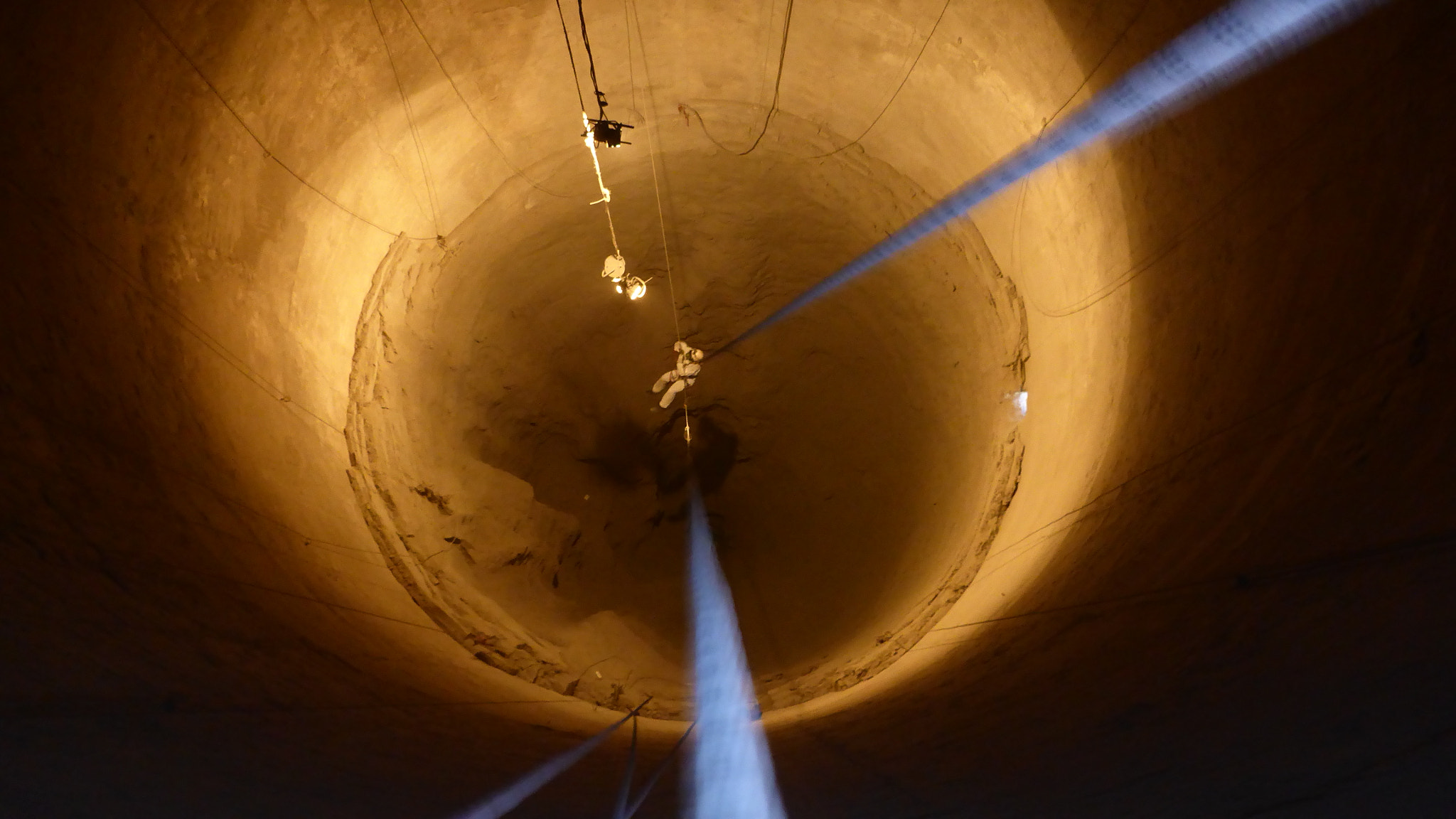
With its realistic gameplay, stunning visuals, and immersive sound design, Astronaut sets a new benchmark for space simulation games. It challenges players to think critically, adapt quickly, and embrace the spirit of exploration. For anyone who has ever dreamed of reaching the stars, Astronaut is the perfect way to turn that dream into reality—at least, in the digital realm.
As space exploration continues to capture the imagination of people around the world, games like Astronaut play a crucial role in inspiring the next generation of astronauts, scientists, and dreamers. So, strap in, ignite the engines, and prepare for liftoff—your cosmic adventure awaits.